Echoes of Kyoto: Morning Rituals in Northern Higashiyama
Navigating the tranquil stone pathways, raked gravel courtyards, and silent morning tea houses of Japan's historic cultural heart.
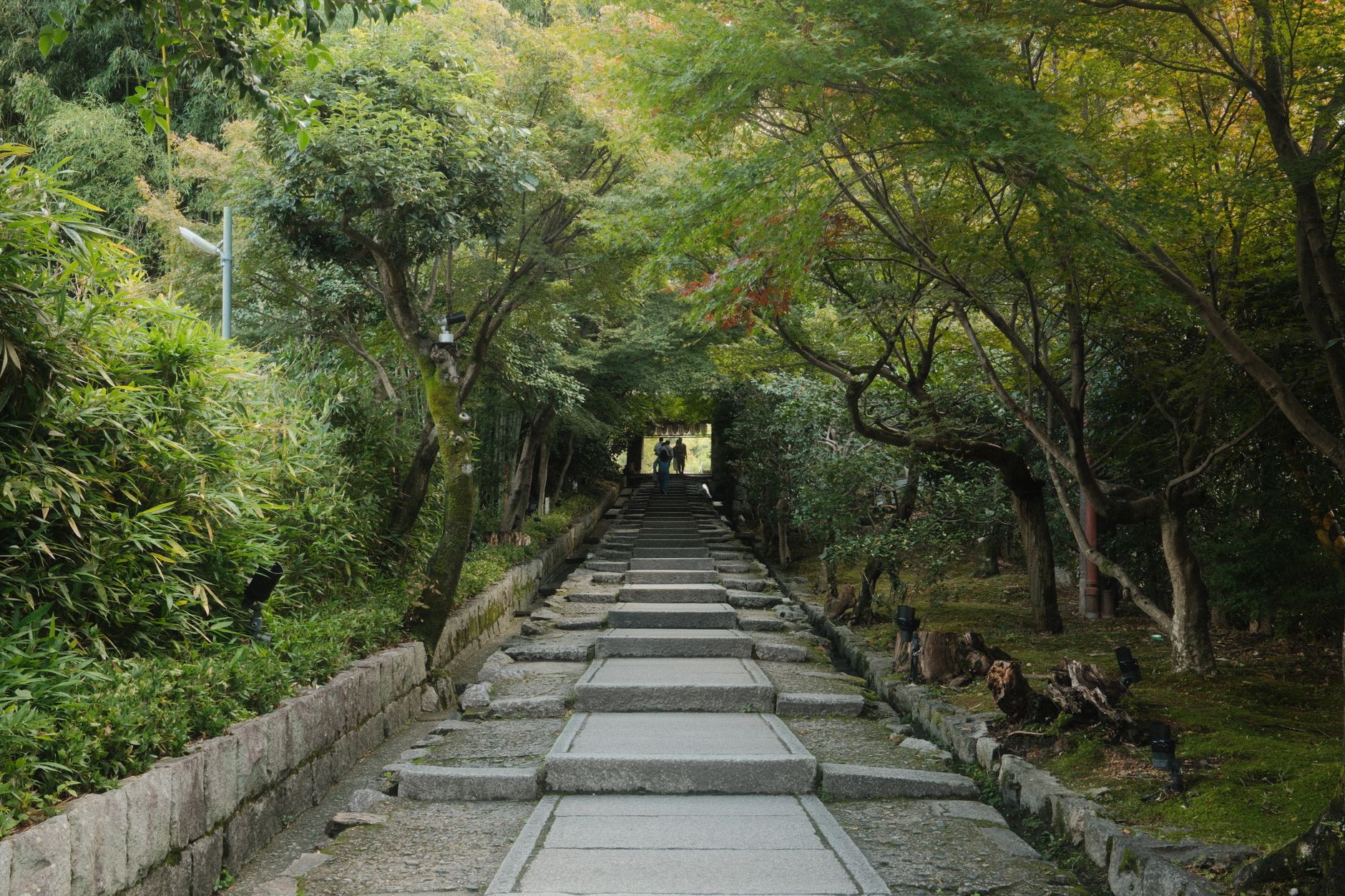
At 05:45 in Kyoto's northern Higashiyama district, the modern world has not yet stirred. The only sounds are the rhythmic sweep of bamboo brooms against moss-covered stone and the occasional resonance of a bronze temple bell drifting down from Shisen-do.
The Geometry of Meditation
In the rock gardens of Daitoku-ji, the raked granite gravel mimics ocean swells around jagged island boulders. Designed in the Muromachi period, these dry landscapes (karesansui) were created not for decorative vanity, but as cognitive instruments to quiet the distracted mind.
Walking along the narrow canal of the Philosopher’s Path before the arrival of morning commuter trains offers an immersive education in spatial harmony. Historic houses built of unpainted cedar, clay plaster, and sliding paper screens demonstrate an aesthetic reverence for transient imperfection known as wabi-sabi.
"When you step away from the major tour bus terminals and adjust your rhythm to the temple bell, Kyoto opens up as an unbroken continuum of living artistry."
Culinary Artistry in Clay and Water
Breakfast in an authentic neighborhood ryokan reflects this same meditative restraint. Broth prepared from kelp harvested in cold northern waters, seasonal tofu simmered over binchotan charcoal, and freshly plucked spring bamboo shoots served in ceramics shaped by fifteenth-generation potters.
To encounter this ancient capital properly requires patience and dawn awakening—a commitment rewarded by encounters with an ethos that celebrates gentleness, precision, and quietude.
Request the Kyoto Private Monograph
Access our detailed dossier on historic ryokans and ceramic workshops in Kansai.