Alpine Architecture & The High Pastures of the Southern Tyrol
How a new generation of Italian and Austrian master builders is reconnecting vernacular larch framing with radical environmental stewardship.
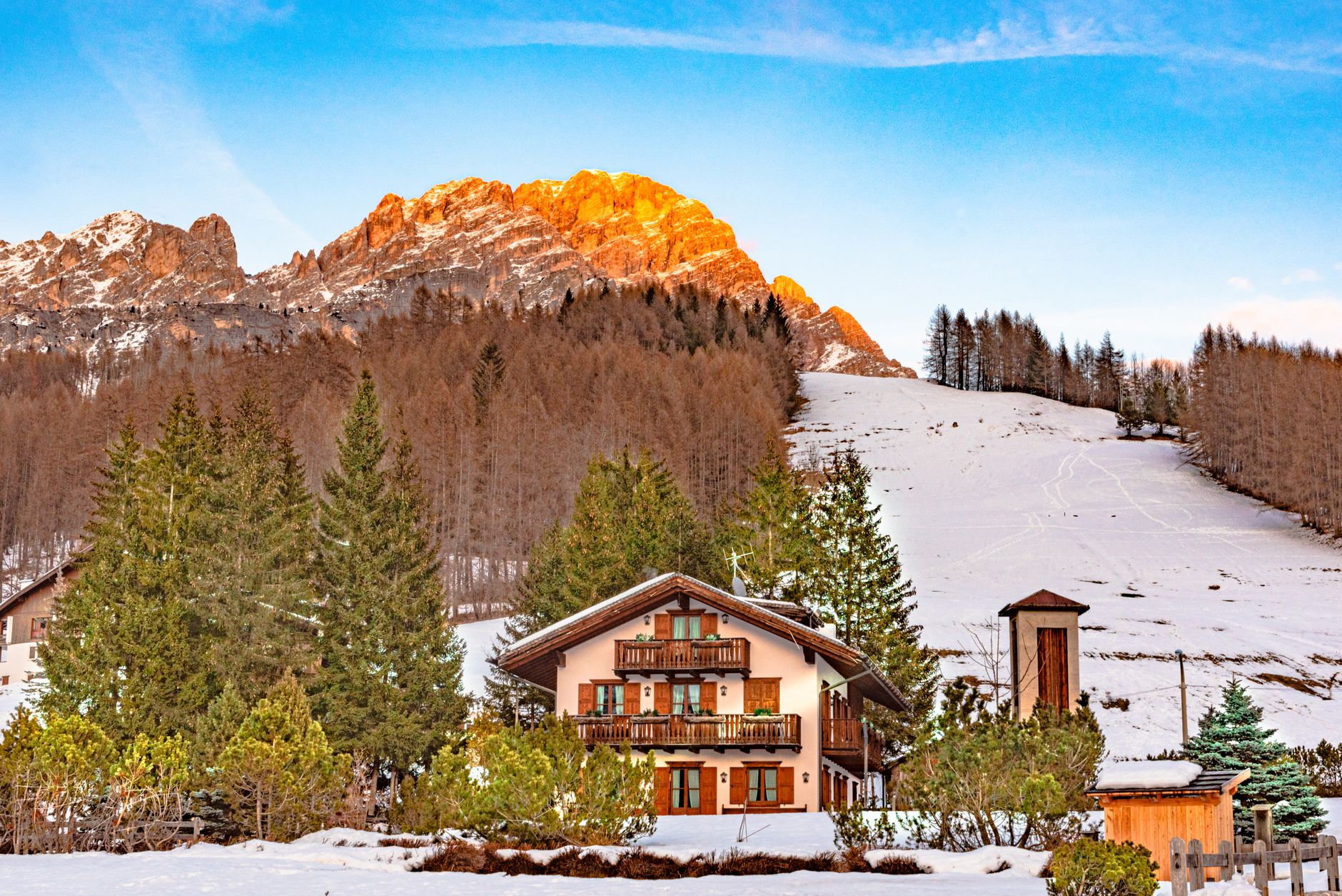
The ascent from the Eisack valley toward the high meadows of Villnöß begins not with dramatic cliffs, but with the scent of dried clover and resinous pine needles. Here, at 1,500 meters above sea level, architecture has never been a statement of human conquest; it has always been an acoustic and thermal buffer against unyielding winter winds.
Larch, Stone, and Centuries of Collective Grazing
For more than four centuries, the rural settlements of South Tyrol operated under strict communal alpine pasturage rules known as the Allmende. Wood was harvested only during the lunar cycles of late autumn when sap flow retreated, creating dense, rot-resistant timber that stood for hundreds of years without synthetic sealants.
Today, contemporary architects like Peter Pichler and Armin Blasbichler draw directly on these historic farm structures (known locally as Stadel). Rather than introducing glass-and-steel anomalies into pristine valleys, their structures employ untreated local larch slats that weather into silvery-grey patinas, merging seamlessly into the limestone backdrop of the Odle peaks.
"True alpine luxury is not found in geothermal marble pools or opulent chandeliers. It exists in the absolute silence of high altitude and the tactile warmth of handcrafted wood."
The Living Terroir of Alpine Hospitality
Beyond structural form, this regional revival encompasses regenerative agro-tourism. Travellers lodging in these timber sanctuaries dine on heritage rye bread baked in stone wood-ovens, raw milk cheeses aged in subterranean cellars, and mountain herbal infusions gathered by hand on high meadows.
For the traveler who values mindful exploration, the Southern Tyrol provides a blueprint: proof that architectural ambition can enhance ecological humility rather than obliterate it.
Plan Your Alpine Study
Inquire for our custom 12-day architectural route through South Tyrol and the Bregenz Forest.